
If you have suffered an accident or an illness which was someone else’s fault, choose qualified lawyers to manage your claim.
Our Personal Injury solicitors are well-versed in handling all types of compensation claims. What’s more, clients and other lawyers rank us amongst the best personal injury teams in Kent.
Personal injury claims involve expert knowledge of the law, your legal rights, the legal process and funding, including ‘No win no fee’.
We provide detailed investigation of all options for funding your accident claim.
Personal injury claims services
We offer a free initial consultation to discuss your claim with you. After we have considered all avenues, we will provide you with comprehensive advice about the best way for you to proceed.
We can help you with:
- Road Traffic Accidents compensation claims, including accidents with foreign drivers
- Traumatic brain injury claims
- Serious spinal cord injury claims
- Fatal accident claims
- Accident claims – slip and trip injury compensations
- Accidents in shops
- Accidents at work claims
- Industrial disease claims
- Compensation claims from injuries involving animals, such as horses or dog attacks
- Accidents at sea
- Sports injury claims
- Hypermobility claims
- Psychiatric claims
- Criminal Injuries Compensation Authority claims
- Product liability claims
- Professional negligence (personal injury claims)
We understand the worries injuries can cause and will do our best to relieve you of your concerns. If necessary, we can travel to see you at home or in hospital.
We always give advice in clear, straightforward English and will provide you with a direct dial number so you deal with us personally. Our initial discussion about your compensation claim is always given for free.
Personal injury claims services
- No win – no fee injury claims explained >
- Road traffic accidents – Compensation claims >
- Head injury claims >
- Accident claims – Slip and trip injury compensation >
- Accidents in shops >
- Accidents at work claims >
- Accidents involving horses >
- Industrial disease claims >
- Work-related Covid-19 claims >
- Personal injury claims – FAQs >
After an accident on my cycle, Kelly Richardson expertly guided me through the process of a claim. Kelly was extremely helpful, knowledgeable and considerate. Kelly was truthful and acted in my interests on dealing with the other side. I would have no hesitation in recommending Kelly to friends and family
Client of Kelly Richardson - Ian Cannings, 5 star Google review
October 2025
How can we help you?
Call us on
0333 331 9877Choose Furley Page’s legal experts for compensation claims
Furley Page is an accredited APIL practice. Our personal injury lawyers are professionally accredited and have satisfied comprehensive criteria in managing personal injury claims. We have been recognised for our expertise by Chambers UK and The Legal 500, independent guides to the legal profession.
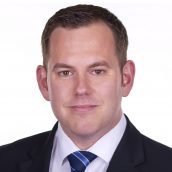
Head of team, Neille Ryan is listed on Headway as an expert in providing legal advice on head injury and brain injury compensation claims.
We treat all our clients equally and try our hardest for everyone – whether you recover in a few weeks, or have suffered injuries which will affect you for life. We work at your pace – whether you want to try and settle your claim quickly, or take your time because of continuing problems with your injuries.
Our initial discussion about your compensation claim is always given for free.
For further information about our services contact Neille Ryan or speak to a member of our Personal Injury team.

Our team accreditations
How can we help you?
Call us on
0333 331 9877



Legal information
©Furley Page LLP 2025